

Coinbase and Cloudflare publicly announced the x402 protocol in September of 2025 to facilitate instant payments across machines, AI agents, and IoT devices. As a web-native payment layer, the x402 protocol enables autonomous transactions without humans, subscriptions, or centralized APIs.
What is The x402 Protocol?
The x402 protocol is utilizing unclaimed HTTP status code 402, “Payment Required.” It operates, Cloudflare explains, by responding to a client request for a service with a 402 code and payment instructions. The client pays in cryptocurrency, likely from a blockchain-enabled wallet, and gains access once payment has been verified.
It is blockchain-agnostic, open source, and enables real-time stablecoin and digital asset settlement. Its flexibility exposes it to pay-per-use models and internet-based self-service.
x402 Ecosystem Exhibits Explosive Growth
The x402 ecosystem is taking off. The protocol reached more than 156,000 transactions in a single day in its first deployment. The spike reflects adoption by early developers of machine-to-machine (M2M) and artificial intelligence (AI) payments.
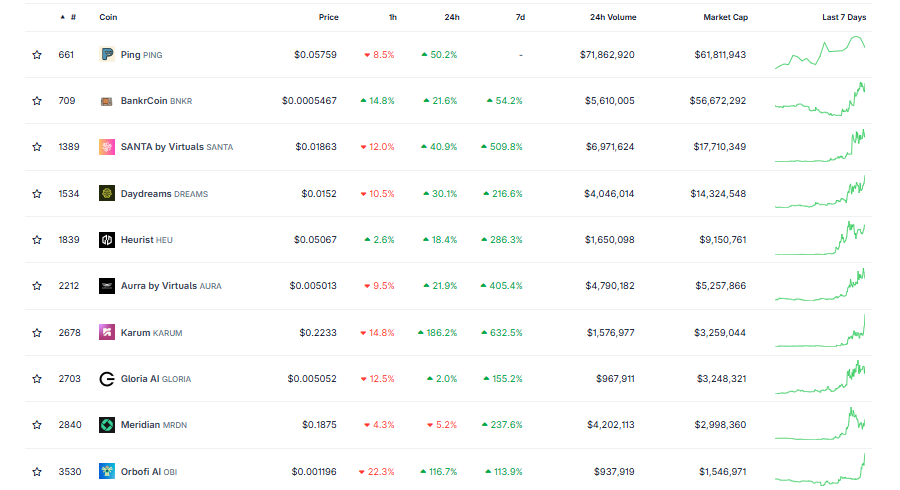
CoinGecko has listed an emerging list of x402-related tokens with a total market capitalization of $176 million. Some of them include tokens such as PING, whose price rose by 35% shortly after the announcement of x402.
Why x402 Matters To Web3 And AI
This protocol creates a new gateway for autonomous agents to take in services such as APIs, data streams, or processing power without the intervention of intermediaries. In the words of OneSafe, it allows for a future where AI robots can pay other machines or services directly and securely—enabling decentralized business models on the internet.
Developers do not use subscription-based APIs or marketplaces anymore. Microtransactions can now be enabled globally with simple payment headers, so services can charge by request.
Developer Adoption And Access Issues
Coinbase has opened up the protocol as open-source, and the code and implementation guide are hosted on GitHub. But integration into current systems will mean upgrading infrastructure, wallet integrations, and careful consideration of regulatory factors, particularly with stablecoin use. In time, real-world applications will dictate at what rate the x402 protocol reaches standard.